CN
CN EN
EN
 jp
jp  th
th 


Email
marketing@valueapex.com


Demo
What are you looking for?
The chemical industry is a typical representative of process industries, and its equipment management is characterized by high risk, strong continuity, strict compliance, and asset intensity. Therefore, the Equipment Management System (EAM) for the chemical industry goes far beyond work order management; it is a comprehensive solution deeply integrated with industry best practices and centered on risk control and reliability.
Safety & Environmental (HSE): Media are often flammable, explosive, toxic, or hazardous; equipment failure can lead to catastrophic consequences.
Compliance Driven: Must adhere to a series of stringent regulations and standards like TSG, OSHA, PSSR, ISO 14224.
High Reliability Requirements: Production processes are continuous; unplanned downtime is extremely costly.
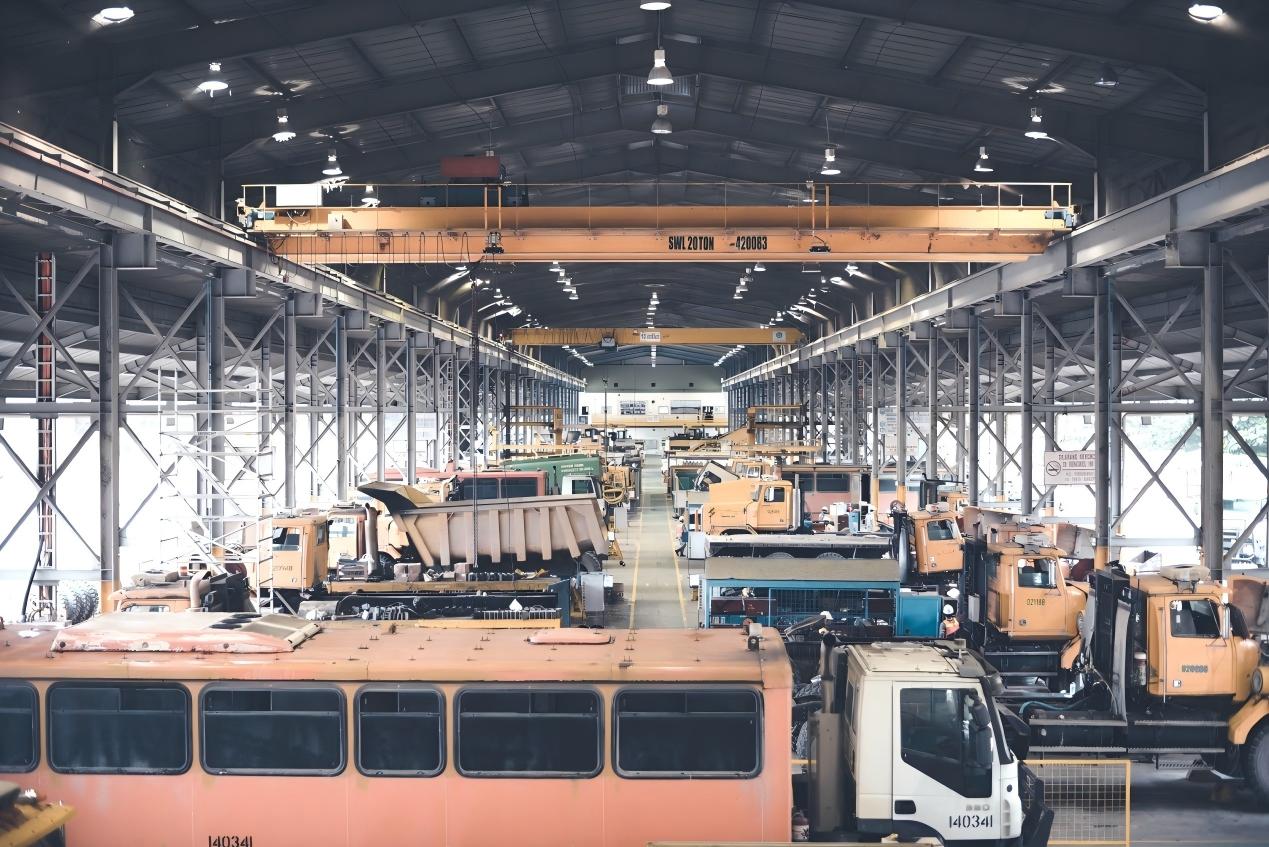
Complex Equipment Management: Managing rotating equipment, static equipment, instruments, and valves is challenging.
1. Large-Scale Comprehensive EAM Suites
Characteristics: Comprehensive functionality, deep integration, highly customizable, with built-in best practice templates for process industries.
Core Capabilities:
Risk-Based Inspection (RBI): Integrates RBI methodology to assess risk levels of static equipment, intelligently formulate and optimize inspection plans, extending run cycles while ensuring safety.
Safety Integrity Level (SIL) Management: Manages Safety Instrumented Systems (SIS) and their corresponding SIL levels, records periodic verification tests.
Permit to Work (PTW) & Lockout-Tagout (LOTO): Digitally handles application, approval, and closure of high-risk work permits (e.g., hot work, confined space), strongly linked to maintenance work orders for controlled safety.
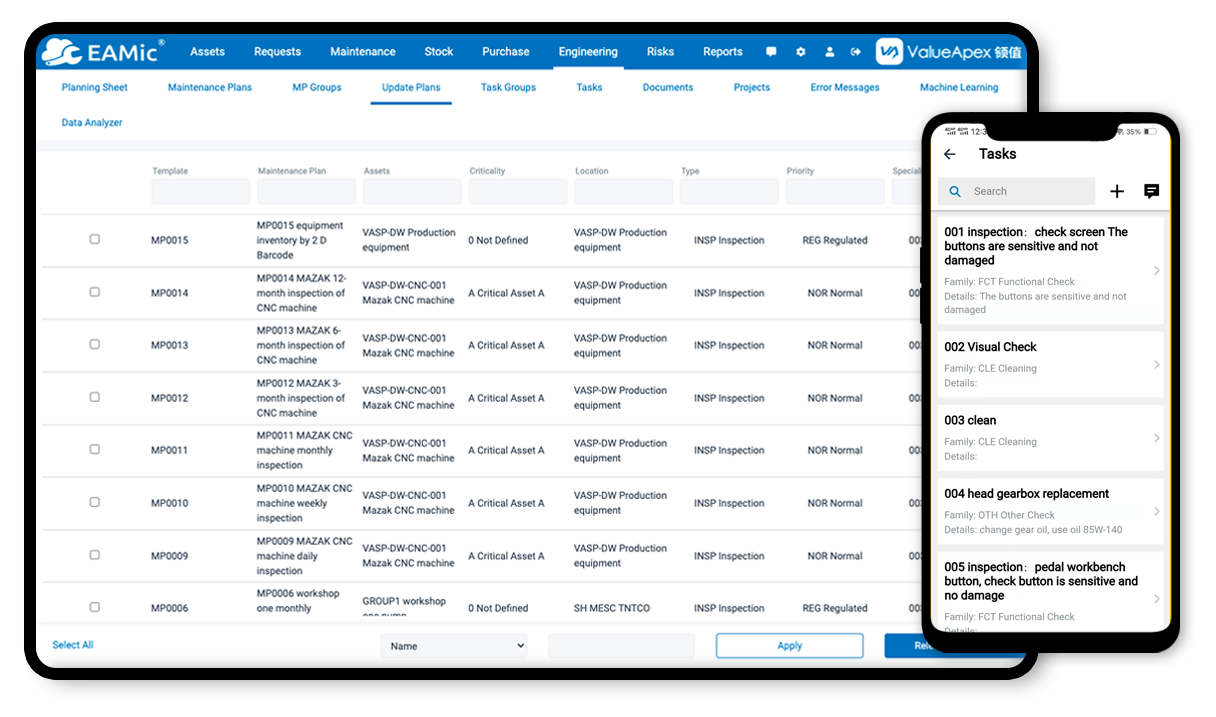
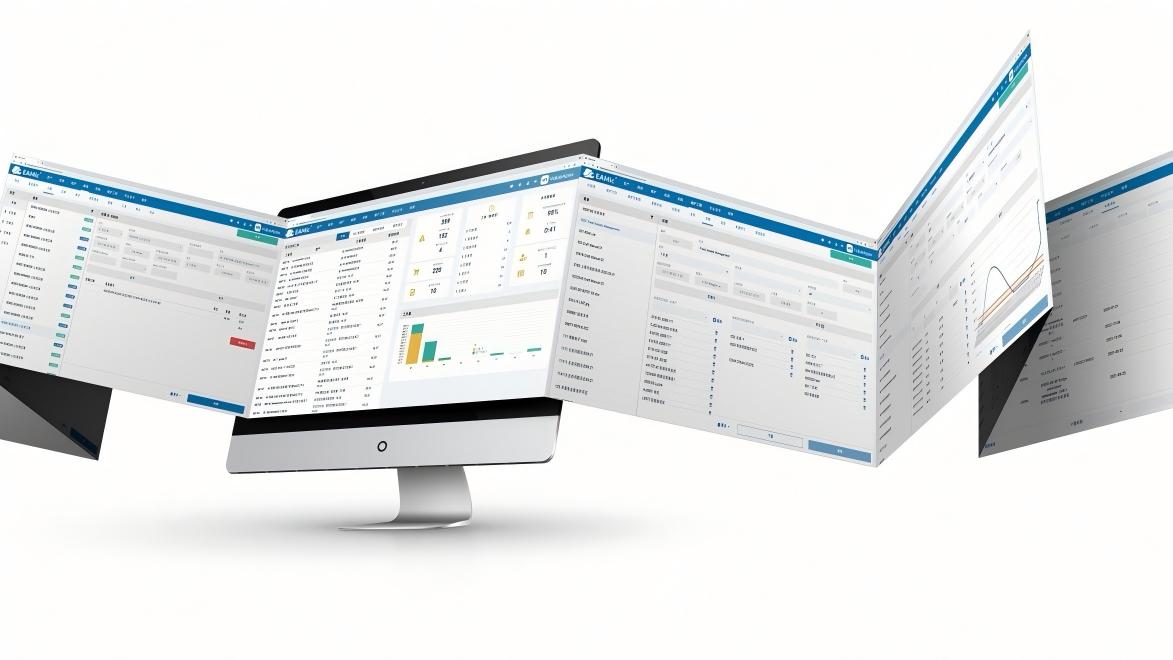
Typical Vendors: IBM Maximo, Infor EAM, SAP PM, ValueApex EAMic. They are the mainstream choice for large chemical groups.
2. Platforms Focused on Asset Performance Management (APM)
Characteristics: Builds upon traditional EAM, focusing more on using data analytics and AI to optimize asset reliability and performance.
Core Capabilities:
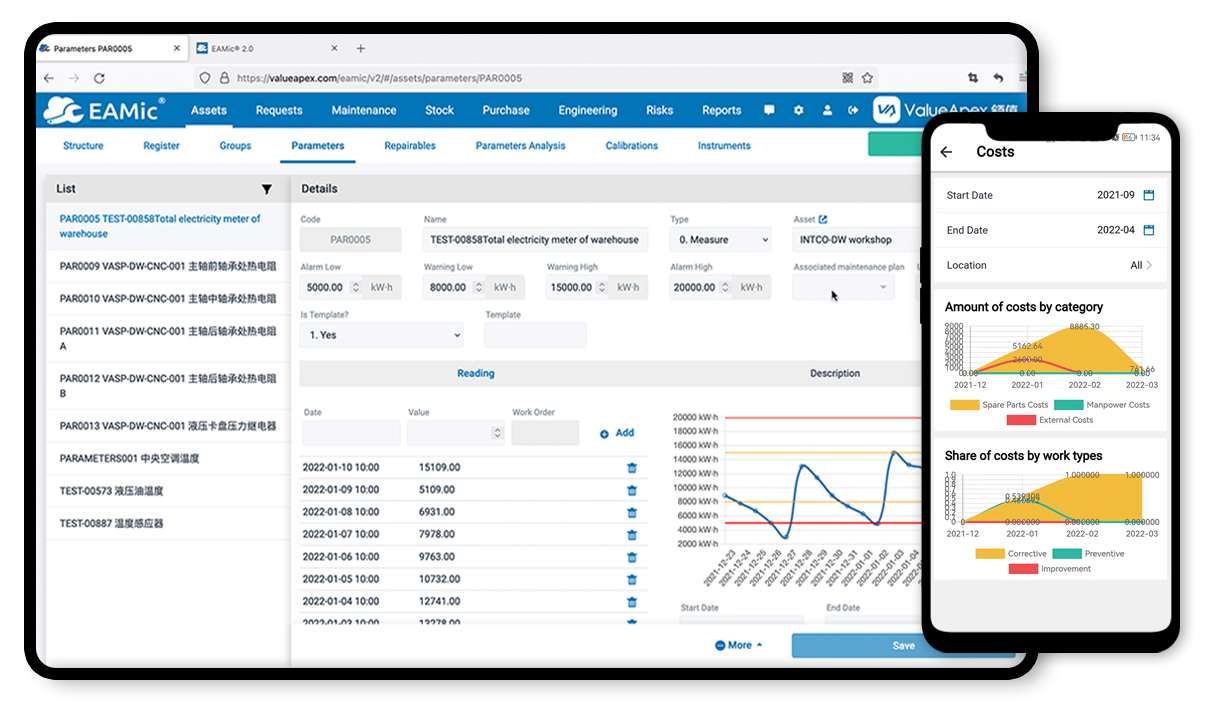
Predictive Maintenance: Condition monitoring and failure prediction for critical equipment trains.
Reliability Analysis: Powerful Root Cause Analysis (RCA), Failure Mode and Effects Analysis (FMEA) capabilities.
Corrosion Loop Management: Monitors process parameters related to equipment corrosion rates, controlling equipment degradation from the source.
Typical Vendors: GE Digital's APM, AspenTech's Mtell, Bentley's AssetWise. They are often integrated with large EAM systems as supplements for advanced analytics.
3. CMMS Suitable for Process Industries
Characteristics: Possess specific functions required by the chemical industry, but with lower deployment and use complexity compared to large EAM suites.
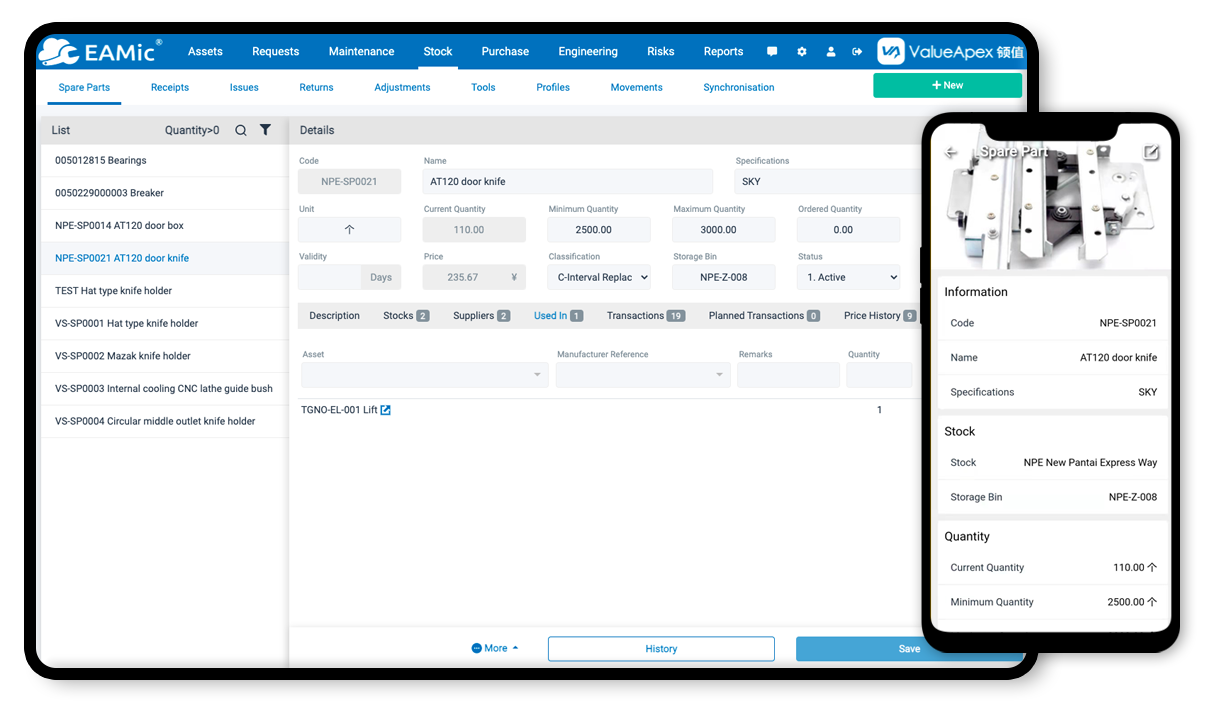
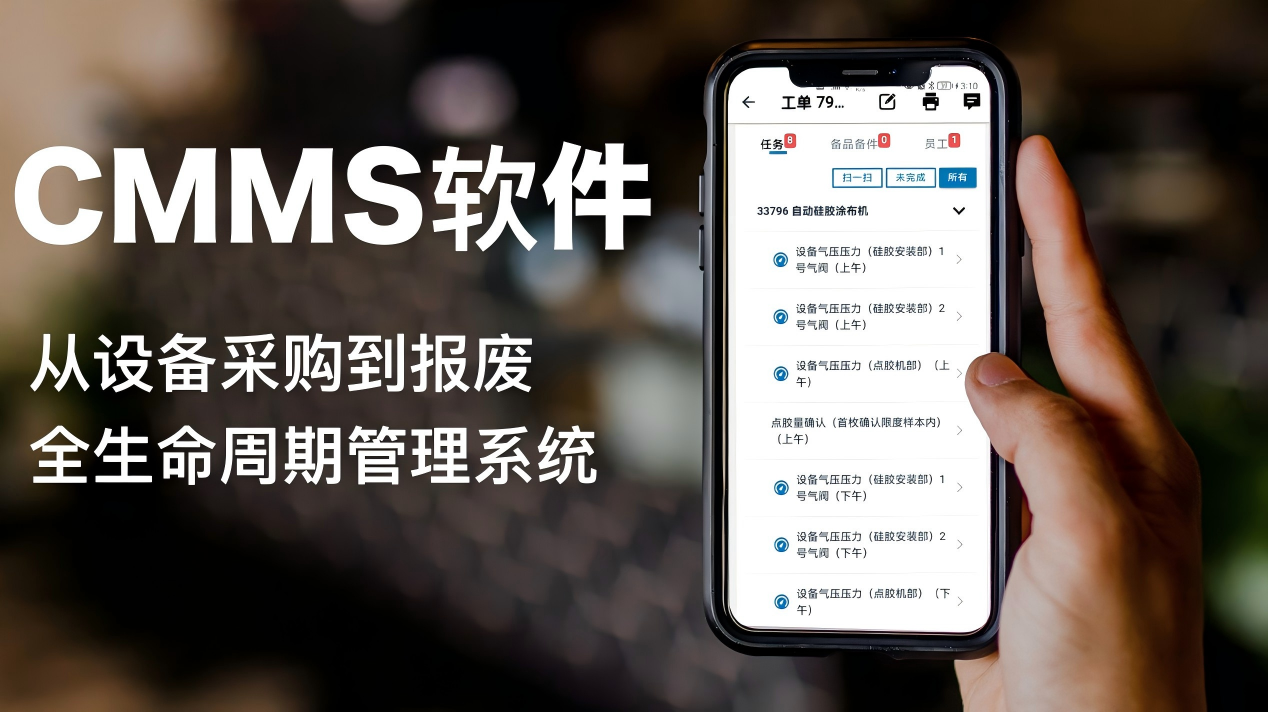
Core Capabilities: Provides work order, inventory, and procurement management that meets chemical industry needs, and supports basic compliance checks and safety process management.
Typical Vendors: Fiix, eMaint, ValueApex EAMic, etc. They can meet the core management needs of small and medium-sized chemical enterprises through configuration.
The chemical industry Equipment Management System is the practical embodiment of the "Industrial Internet + Safety Production" concept. Choosing an EAM/APM system that deeply understands chemical processes and is centered on risk management and reliability is not only a need to improve operational efficiency but also a crucial guarantee for fulfilling safety production responsibilities and achieving sustainable development.